
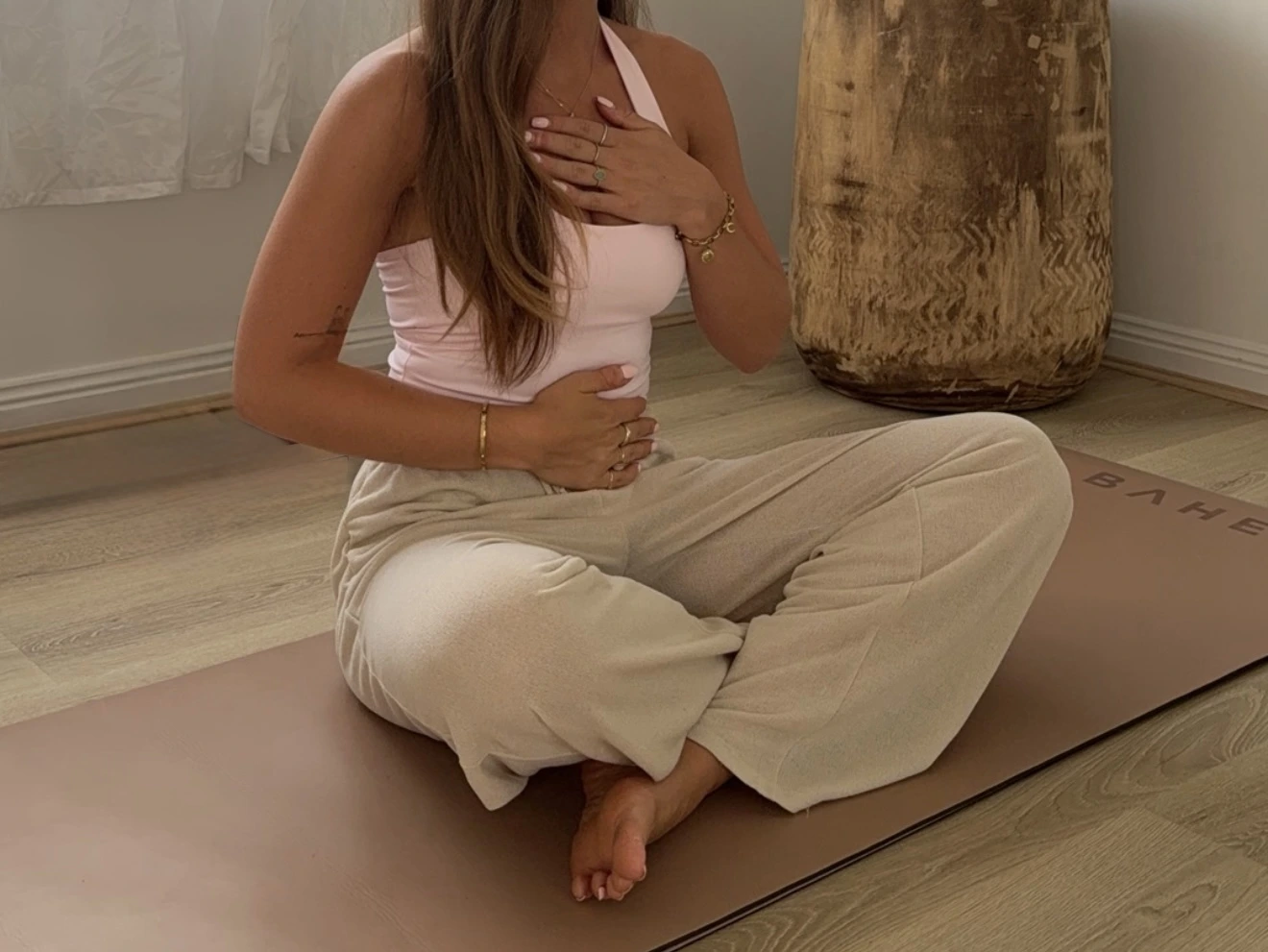
Why is authenticity so hard? Why is it, for most of us, such a challenge to be fully and completely ourselves? I sat with a lovely friend of mine today and we talked of authenticity. It’s a big word with big meaning. And it made me wonder, do we even know what it is to be authentic, how does one be authentic, and is it even possible for us to be authentic? Let’s give a dictionary-like definition: authenticity is the experience of being real, honest, and aligned with who you truly are. Nice. But how many of us can confidently say they know who they ‘truly are’? Because in the end, we all question at some point, who really am I? Logically comprehending authenticity is one thing, but embodying it is another.
When I explore authenticity I question: what is it to be authentic, to know who we truly are, and how do we allow ourselves to be authentic. I say the word allow because being oneself comes with challenges. And often societal, familial, generational and cultural conditioning imposes limitations.
Authenticity reminds me of the saying ‘dance in a room like nobody is watching’. It’s that ability to lose yourself, to move your body the way that it asks, the freedom to express without fear as if you are the only person in the room. It’s that level of confidence, and acceptance of how you choose to show up. It sounds like such an easy concept but while freedom of speech, movement and values sounds like a dream, there’s a part of us that views that individuality as a nightmare.
Why?
Biologically, authenticity can feel dangerous. We are wired for social connection so naturally your brain is wired for belonging and survival. So self-expression… alarm bells. Because if I’m different or I show up incongruent to those around me will I be accepted? Will I belong? And when we are not accepted the result is ostracised. You are left to your own devices. And as social beings, how do we survive without connection?
Physiologically being authentic can activate a fight/flight/freeze response. The nervous system wired for protection will alarm you when it’s feeling a little ‘too different’ from what’s around. Essentially your mind-body-soul have difficulty being connected, the body has learned to be like everyone else and anything outside of that is potentially threatening.
Experiences of shame, rejection, criticism or being misunderstood can psychologically create the idea that who we are is “too much”, “not enough” or unsafe to show. Psychologically the experience of being authentic can further impact your sense of identity.
In yogic philosophy the true self is often understood as the deeper self beyond conditioning, the ‘I’ before the ‘I’ if you will. To live in this alignment one must release patterns shaped by fear, expectation, and attachment so your actions can reflect an inner truth rather than survival.
Spiritually, authenticity is returning to who you are beneath the role you play - beneath your job, your culture, your origin, your name. It’s that question of “if you had to describe who you are, without using your name, age, job, roles, relationships, culture, achievements etc. how would you describe yourself”. The challenge is that our life experiences disconnect us from our inner voice, leaving us questioning who we truly are, and how much of us is shaped by survival.
So in the end, what is it to be who we truly are. If I’m honest, I think we all have our own definition of what this means. But what I learned was that my authenticity was a roadmap. Each time I made a decision for myself, had a difficult conversation that expressed my feelings, regulated myself, took a leap of faith; it felt like home and that home was me listening, trusting and returning to myself. And that, is authenticity. Learning to be and embody who I really am without the fear of consequence and with utmost acceptance of myself.
Maybe for some the idea of authenticity is not so difficult, you wear a beautiful confidence that allows your true nature to be carried but for some of us it’s a scary navigation. Especially for those with a history of trauma or dysregulation, we are more prone to scanning for threat. So if you are still navigating your way through authenticity, dont worry me too, we are still trying to figure out if it’s safe or not.